
The Psychology of Luxury Consumption and Status Symbols
페이지 정보

본문
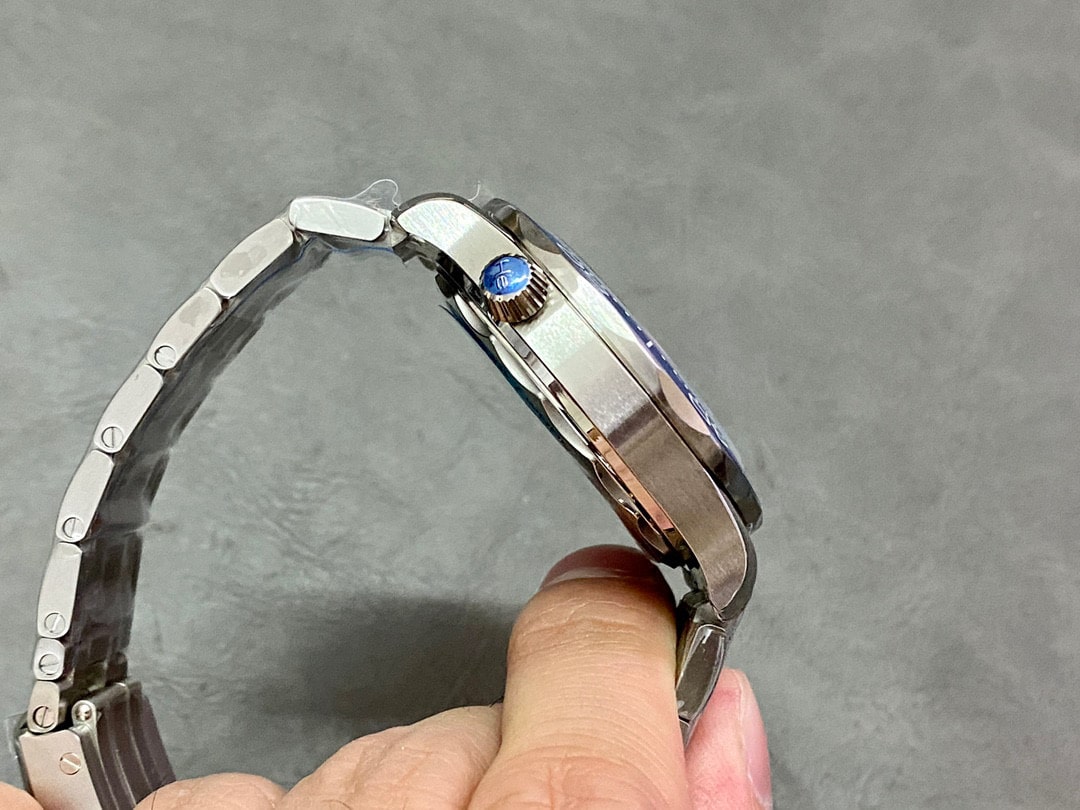
People often buy luxury goods not just for their quality or functionality but because they carry deeper psychological meaning. Designer purses, luxury timepieces, and elite automobiles are more than objects—they are signals. They communicate something about the person who owns them to the world and sometimes even to themselves. This behavior is rooted in the fundamental drive to be seen, validated, and distinguished.
From a psychological standpoint, status symbols serve as visible representations of personal triumphs. When someone purchases a luxury item, they are often asserting their hard-earned status, confidence, or social alignment. These goods become tangible proof that they have reached a level of accomplishment that others may admire or envy. The act of buying can feel like a reward, reinforcing a positive self-image and providing emotional satisfaction beyond the product itself.
Social comparison theory explains why people are drawn to luxury brands. Humans naturally evaluate their standing relative to those they admire or emulate. Owning something exclusive or expensive can create a psychological elevation, positioning them as exceptional rather than ordinary. This distinction is not always about wealth in the literal sense but about the illusion of superiority. Even when someone cannot afford the most expensive item, owning a version that is still seen as premium can fulfill the psychological need to be seen as successful.
The role of branding in this process is critical. Luxury brands invest heavily in narratives of legacy, craftsmanship, and rarity. They create myths tying their items to cultural legacy, precision, and unmatched skill. These stories make the product more than a thing—it becomes a symbol of values, taste, and identity. Consumers internalize these associations and feel that by owning the brand, they too embody those qualities.
There is also a phenomenon known as conspicuous consumption, a term coined by sociologist Thorstein Veblen. It describes the practice of spending money on visible goods to project financial dominance. This is not about utility but about visibility. A luxury watch worn on a wrist or a car parked in a public lot is not just telling the owner what time it is or how to get somewhere—it is making a silent declaration to observers.
Interestingly, the psychological reward of owning luxury goods can be fleeting. The initial excitement fades, and the need for the new emblem of success arises. This cycle reflects deeper inner voids or unresolved longing. For some, luxury consumption becomes a way to compensate for feelings of inadequacy or a lack of control in other areas of life.
The rise of social media has amplified this dynamic. Platforms like Instagram and TikTok turn personal possessions into digital exhibitions of worth. Every photo of a luxury item becomes a strategic projection, altering how the world sees them and how they see themselves. The feedback loop of engagement and admiration reinforces the connection between possessions and self-worth.
Understanding the psychology behind luxury consumption helps explain why people continue to spend beyond practical need. It is not irrational spending—it is driven by core needs for acceptance, validation, and identity. While luxury items can bring pleasure and fulfillment, the real challenge lies in distinguishing between buying for 高仿勞力士 meaning and buying to fill a void. True fulfillment comes not from what we own but from the person we become beyond material displays.
- 이전글초겨울 남성건강 쇼핑 시작 최대 30% 할인 + 1+2 이벤트 — 파워약국 특별 프로모션 26.04.05
- 다음글Can I Paint Over Wallpaper? Interior Design Tips Rrn Your House 26.04.05
댓글목록
등록된 댓글이 없습니다.