
Why Cooling Systems are Critical for Endurance Racing Success
페이지 정보

본문
Endurance racing is more than just a test of speed; it's a rigorous evaluation of vehicle performance under extreme conditions. Picture a race team, deep in the heart of a grueling 24-hour endurance event, where every second counts. As the sun sets, temperatures inside the engine bay soar, threatening to compromise both performance and safety. This is where the unsung hero of motorsport comes into play: the cooling system. Understanding the role of effective cooling systems can be the difference between crossing the finish line or succumbing to mechanical failure.
For amateur racers and professional teams alike, the stakes are high when it comes to vehicle preparation. As you navigate through the intricacies of racing intercom systems, racing harnesses, and FIA-approved safety gear, one essential component often overlooked is the cooling system. This article delves into why an efficient cooling system is not merely an upgrade but a vital necessity for success in endurance racing. rally car preparation
How Cooling Systems Impact Engine Performance
The heart of any racing vehicle is its engine, and maintaining optimal engine temperature is crucial for its performance. An effective cooling system regulates the engine's heat, ensuring that it runs efficiently even under high-stress conditions. Without proper cooling, engines can experience overheating, leading to a significant drop in performance or even catastrophic failure. For example, consider a race car operating at peak performance, generating substantial power. If the cooling system falters, the engine might exceed its optimal temperature range, resulting in detonation or loss of power. This scenario reinforces the necessity of a robust cooling system.

Moreover, the choice of cooling components, such as radiators and intercoolers, plays a critical role in heat dissipation. For instance, a high-performance aluminum radiator not only improves cooling efficiency but also reduces weight, enhancing the vehicle's overall agility. Ensuring that your cooling system can handle the demands of endurance racing is essential for maintaining consistent lap times and overall vehicle reliability.
Cooling Systems: A Key to Driver Safety
Safety is paramount in racing, and an efficient cooling system contributes significantly to driver safety. Engines that run too hot can lead not only to mechanical failures but also to dangerous situations on the track. Engine failure can result in loss of control, potentially leading to crashes that endanger both the driver and other competitors. Therefore, a well-maintained cooling system is not just about performance but is a critical component of safety protocols in motorsport. http://kopac.co.kr/xe/index.php?mid=board_qwpF53&document_srl=3158726
In addition to engine cooling, the cabin temperature also needs to be managed, especially during long races. Drivers operate at peak concentration levels, and a surge in cabin heat can lead to fatigue and decreased focus. Implementing effective cockpit cooling solutions, such as air conditioning units or ventilated seats, can keep drivers comfortable and alert. Taking such precautions is essential for maintaining safe racing conditions.
Choosing the Right Cooling System Components
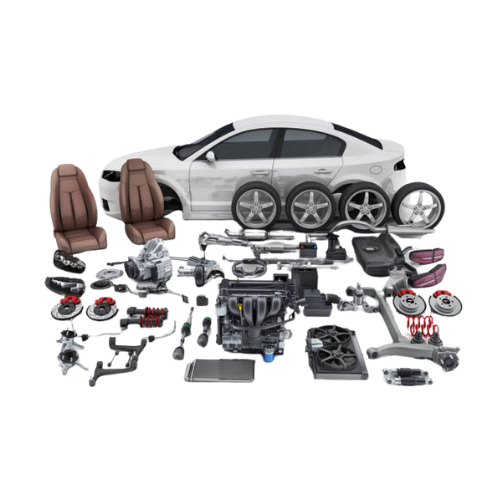
When it comes to upgrading your vehicle's cooling system, understanding the various components is crucial. The main elements to consider include radiators, water pumps, coolant types, and fans. Each component has a specific role in ensuring optimal engine functionality. For instance, an aftermarket water pump can increase flow rates, leading to improved cooling efficiency. Additionally, selecting the right type of coolant - one that can withstand high temperatures and protect against corrosion - can prolong the life of your engine components.

Investing in high-quality components is essential, especially for endurance racing. While budget options may seem tempting, they often do not provide the reliability or performance needed in competitive scenarios. Instead, consider parts that come with FIA approval, ensuring they meet rigorous safety and performance standards. This investment can pay dividends by reducing the chances of racing incidents caused by cooling failures. rally equipment
The Consequences of Ignoring Cooling System Upgrades
Ignoring cooling system upgrades can lead to dire consequences on the track. A common pitfall is failing to replace aging radiators or hoses, which can lead to leaks or inefficiencies. Such oversights can result in overheating during a race, causing the engine to lose power or even seize entirely. This could potentially cost a team vital points in a championship or end a season prematurely.
Furthermore, consider the scenario where a team opts for a low-cost, generic cooling solution that does not effectively manage temperatures. During a long, demanding race, the team may find themselves grappling with engine overheating, forcing them to reduce speed or make unplanned pit stops. This can severely hinder their race strategy and ultimately affect their standing. The choice of cooling components is not merely a matter of economics but can significantly impact race outcomes.
"In racing, every component matters, and ignoring the cooling system can cost you the race."
Are Upgraded Cooling Systems Worth the Investment?
For those considering whether the investment in upgraded cooling systems is worthwhile, the answer is a resounding yes. Investing in quality cooling components enhances reliability, performance, and safety during races. Moreover, the peace of mind that comes with knowing your vehicle is equipped to handle the rigors of endurance racing cannot be underestimated.
Furthermore, with advancements in technology, many modern cooling systems are designed to be lightweight and more efficient, reducing the overall weight of the vehicle while still providing superior cooling capabilities. This balance of performance and safety makes upgraded cooling systems an intelligent choice for any serious racer.
Localized FAQ Heading
How often should I service my cooling system for endurance racing?
Regular servicing of your cooling system is essential, especially before major races. It is advisable to check the cooling system for leaks and ensure all components are functioning optimally at least once a month leading up to a race.
What types of coolant are recommended for racing?
For racing, it's best to use a high-performance coolant that offers excellent heat transfer properties and corrosion resistance. Look for coolants specifically designed for high-stress applications and ensure they are FIA compliant.
Can I use a stock radiator for endurance racing?
While a stock radiator may suffice for normal driving conditions, it may not handle the extreme demands of endurance racing. Upgrading to a high-performance radiator specifically designed for racing is recommended to ensure effective cooling.
What are the signs of a failing cooling system during a race?
Common signs include fluctuating temperature gauges, steam or coolant leaks, and reduced engine power. If you notice these indicators, it's crucial to address them immediately to avoid engine failure.
Is it necessary to upgrade my water pump?
Upgrading your water pump can significantly enhance cooling efficiency, especially in high-performance applications. A more powerful pump can improve coolant flow rates, which is vital in endurance racing.
How can I improve driver comfort regarding cabin temperature?
To improve cabin temperature, consider installing a racing-specific air conditioning system or using ventilated seats. These enhancements help maintain a comfortable environment for drivers during long races.
- 이전글Проверка климатической системы в автомобиле - гарантии в компании 26.07.14
- 다음글You'll Never Guess This A4 Paper Wholesaler's Tricks 26.07.14
댓글목록
등록된 댓글이 없습니다.