
5 Mistakes I Made Buying the Best Lightweight Reading Glasses
페이지 정보

본문
5 Mistakes I Made Buying the Best Lightweight Reading Glasses
I went through all these blunders while hunting for the best lightweight reading glasses so you won't have to repeat them...
Let's be honest—we all love saving a buck, but going too cheap on readers can backfire fast. I found that out the hard way. Huge mistake. I focused on the price tag instead of the actual value, and that decision cost me comfort, time, and more money in the long run.
When I first looked into options like LED with Light Reading Glasses for Women and Man Glasses Full Frame Reading Glasses +1.0 +1.5 +2.0 To +4.0 +100-Black, I assumed all reading glasses were basically identical. They're not. The tiny details make a big difference when you're wearing them every single day.
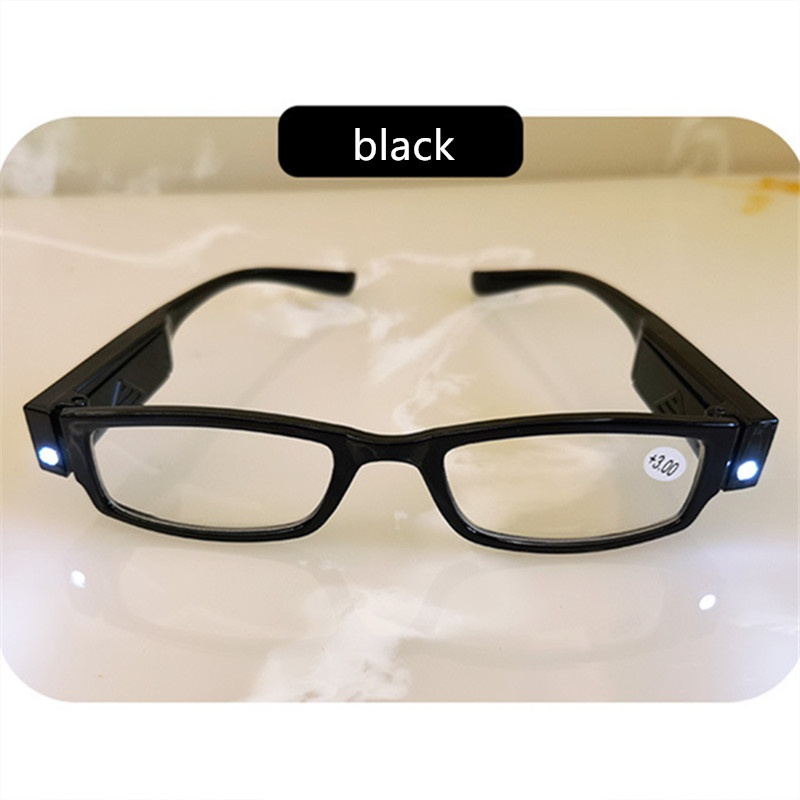
Take it from me. This guide will walk you through the biggest shopping mistakes and help you make a smarter choice from the get‑go.
- You'll learn why bargain‑bin options usually let you down.
- You'll know exactly which quality signs to inspect before ordering.
- You'll have a straightforward plan: Research -> Compare -> Check reviews -> Buy.
Mistake #1: Going for the Cheapest Option
That was my first misstep. I spotted a low price and thought I'd scored a deal. Big mistake. Ultra‑cheap reading glasses tend to skimp on the frame, hinges, and lens finish. If they also come with built‑in LED lights, cheap components often make the buttons feel flimsy and the light output weak.
In low‑rating reviews for this type of product, buyers frequently mention:
- Frames that start feeling flimsy after just a few days
- Lights that stop working way too soon
- Lenses that scratch up fast
- Arms that either squeeze too tightly or feel uneven
Sure, we all want to save money, but rock‑bottom pricing usually means a short lifespan. A pair that breaks quickly isn't cheaper in the end—it just means you're buying another pair sooner.
Verdict: Don't shop based solely on price. Invest in solid construction, clear optics, and real comfort.
Mistake #2: Ignoring Quality Indicators
My next mistake was ignoring the subtle signs of quality. If you're after the best lightweight reading glasses, you need to look beyond the product photo and actually read the specs. A lightweight frame is great, but it also has to be balanced and sturdy.
Here's the simple checklist I wish I'd used:
| What to Check | Cheap Pick | Better Pick | Why It Matters |
|---|---|---|---|
| Lens clarity | Cloudy or uneven | Clear and sharp | Helps reduce eye strain |
| Frame feel | Loose or flimsy | Light but stable | Feels better for long use |
| Hinges | Stiff or weak | Smooth and firm | Lasts longer |
| LED lights | Dim or uneven | Bright and easy to use | Better for night reading |
Low‑rated reviews often mention a poor fit, weak hinges, and lights that feel more like a gimmick than a feature. Don't repeat my error. Check for these signs first:
- A magnification range that matches your needs
- Lens clarity from edge to edge
- Strong frame arms and hinge joints
- Easy button operation for the built‑in light
- Comfort around the nose and behind the ears
Action Step: Examine the build details before you fall for the price tag or the color.
Mistake #3: Not Checking Reviews
This one stung the most because it was so easy to avoid. I skimmed reviews instead of really reading them. I looked at star ratings without digging into the actual comments. Low‑rated reviews are where the truth usually hides—people spell out what broke, what felt cheap, and what didn't match the pictures.
When you're reading reviews for reading glasses, pay attention to:
- Real photos from buyers
- Comments about weight and how they feel to wear
- Notes on whether the lens strength is accurate
- Feedback on how well the LED light works
- How the glasses hold up after a few weeks of use
Plenty of low‑rated reviews in this category talk about glasses that looked fine on day one but felt wrong by day three. Learn from me—a product can look great in the listing and still flop in real‑world use.
Verdict: Read the bad reviews first, then the good ones. They'll tell you what to really expect.
Mistake #4: Falling for Ads
I also fell for big marketing promises. "Ultra light." "Crystal clear." "Perfect for everyone." Ads can make any pair sound like the best lightweight reading glasses. Big mistake. Fancy words don't automatically mean high‑quality glasses.
Low‑rated reviews often expose what the ads leave out:
- The frame feels heavier than advertised
- The fit is either too tight or too loose
- The light isn't bright enough for close‑up tasks
- The lenses create glare in certain rooms
I'm not saying ads are always wrong—I'm saying they're not enough. You need proof from real buyers. Don't make my mistake and trust only the product page.
Action Step: Match every ad claim with review evidence before you buy.
Mistake #5: Skipping Research
This was the biggest problem of all. I rushed. I didn't compare magnification strengths, frame shapes, comfort levels, or return policies. Reading glasses aren't one‑size‑fits‑all. Even a decent pair can be wrong if the magnification is off or the frame doesn't sit right on your face.
Low‑rated reviews often come from buyers who picked too quickly. They chose the wrong strength or missed details about fit and daily use.
Here's the simple process I use now:
- Step 1: Research the product type and figure out the magnification you need.
- Step 2: Compare frame build, lens quality, and any extra features like lights.
- Step 3: Check reviews and look at real buyer photos.
- Step 4: Buy only after everything checks out.
This takes an extra few minutes, but it saves a ton of regret later.
Verdict: Slow down and follow the full path: Research -> Compare -> Check reviews -> Buy.
What I Should Have Done: Choosing the brand
If I could start over, I would have checked out the brand Fashion first and judged the product by real quality signals instead of hype. In the event you cherished this short article and also you would like to acquire more information concerning https://mozaer.com generously pay a visit to our page. That would have saved me time. It also would have steered me toward something like the brand LED with Light Reading Glasses, which aims to combine a lightweight feel with a full‑frame design and built‑in reading help.
I also should have paid more attention to positive feedback about the shopping experience. Good customer support matters a lot when you're buying eyewear. One user said, "Anna was very knowledgeable and helpful!" Another said, "Don took and placed my contact lenses order in 4 min and roughly 30 sec. Wow. Super efficient!"
Those comments are worth noting because they point to things shoppers often overlook:
- Helpful service when you have questions
- Fast order processing
- A smoother overall buying experience
- More peace of mind if you need help later on
That doesn't replace product research, but it adds trust. If I want the best lightweight reading glasses for daily use, I need both product quality and a reliable buying experience.
Verdict: Choose the brand with open eyes. Check the build, check the magnification, and value good customer support too.
Lessons Learned
Here's the short version. Cheap isn't always smart. Ads aren't proof. Reviews matter. Research matters even more. Learn from my mistakes and do the boring steps first—they'll save you from bad purchases.
- Lesson 1: Super cheap usually means lower quality.
- Lesson 2: Check lens clarity, frame strength, comfort, and LED function.
- Lesson 3: Read low‑rated reviews and study buyer photos.
- Lesson 4: Don't trust marketing words without evidence.
- Lesson 5: Follow the shopping order: Research -> Compare -> Check reviews -> Buy.
I get it—we all want to save money, but the wrong pair can end up costing more than it saves. Don't make my mistake. Take a few extra minutes now and buy better once.
Verdict: The smart shopper doesn't rush. The smart shopper checks quality, reads real reviews, and buys with confidence.
- 이전글Everything to Consider When Choosing a Repair Loan Provider 26.06.10
- 다음글Kanapa z funkcją spania – jak wybrać mebel, który nie zawiedzie Cię na noc 26.06.10
댓글목록
등록된 댓글이 없습니다.