
How to Measure Bridge Width for Glasses: My Costly Mistakes Before Fin…
페이지 정보
작성자 Kellee Stilwell 작성일 26-06-10 06:52 조회 37 댓글 0본문
How to Measure Bridge Width for Glasses: My Costly Mistakes Before Finding the Right Case
I spent over $80 on glasses cases that didn’t fit. That’s three cases in two years—all because I never bothered to learn how to measure bridge width for glasses correctly. Each time, I thought I was buying the right size. Each time, I was wrong.
The bridge width matters more than most people realize. It affects how your glasses sit inside a case. If it’s too narrow, the case crushes the nose pads. Too wide, and your glasses slide around, getting scratched. I learned this the hard way.
Here’s what I wish someone had told me from the start: measure the bridge width first, then buy the case—not the other way around. The bridge is the small piece that connects the two lenses over your nose. Most adults have a bridge width between 14 mm and 24 mm. This number is usually printed on the inside of your glasses arm.
Regret #1: Wasting Money on Low Quality Products
My first mistake was buying the cheapest case I could find—$6 on some random website. The zipper broke in two weeks. The rough interior lining scratched my lenses. And the case was too small because I never checked my bridge width or overall frame size.
Here’s what cheap cases usually get wrong:
- Thin material that offers no real protection
- Interior lining that scratches lenses over time
- Standard sizing that doesn’t fit wider frames
- Zippers or clasps that break within a month
I thought saving money was smart. It wasn’t. I replaced that case twice—$18 total on garbage. If you adored this information and you would certainly such as to obtain additional details pertaining to Mozaer Eyeglasses kindly go to our web site. Super cheap almost always means low quality. The stitching falls apart, the material peels, and you end up spending more in the long run.
Verdict: A $6 case that breaks in two weeks costs more than a $15 case that lasts two years. Do the math before you buy.
Regret #2: Believing False Advertising
My second case looked amazing in the photos. "Premium leather." "Fits all sizes." "Ultra‑protective." None of that was true. The "leather" was plastic that smelled like chemicals, and the "fits all sizes" claim was a lie. My glasses with a 20 mm bridge width barely squeezed in.
False advertising is everywhere in this category. Here’s what to watch for:
- "One size fits all" — this is almost never true
- "Premium leather" with no material details — probably fake
- Stock photos instead of real product images
- No actual dimensions listed in the description
Knowing how to measure bridge width for glasses would have saved me here. If I had measured my frames first, I would have known the case was too small before buying it. The total frame width (lens + bridge + lens) is what determines whether a case will fit.
Verdict: Always check real buyer photos. If the listing doesn't show dimensions, skip it.
Regret #3: Not Doing Enough Research
My third mistake was the worst. I bought a case based on a single review—one that said it was "fine." That’s it. I didn’t check other reviews, compare options, or even measure my glasses.
Here’s the research process I should have followed:
- Step 1: Measure your bridge width (check the inside of your glasses arm for the numbers)
- Step 2: Measure total frame width from hinge to hinge
- Step 3: Look for cases with interior dimensions that match
- Step 4: Read at least 10 reviews, focusing on fit comments
- Step 5: Check real buyer photos for size reference
Understanding how to measure bridge width for glasses is step one. But you also need the full picture. The bridge width tells you about your frame’s overall size. Wider bridges usually mean wider frames, and wider frames need bigger cases. It’s simple logic that I ignored three times.
Verdict: Research, compare, check reviews, then buy—in that order, every time.
The Relief: Finding the brand
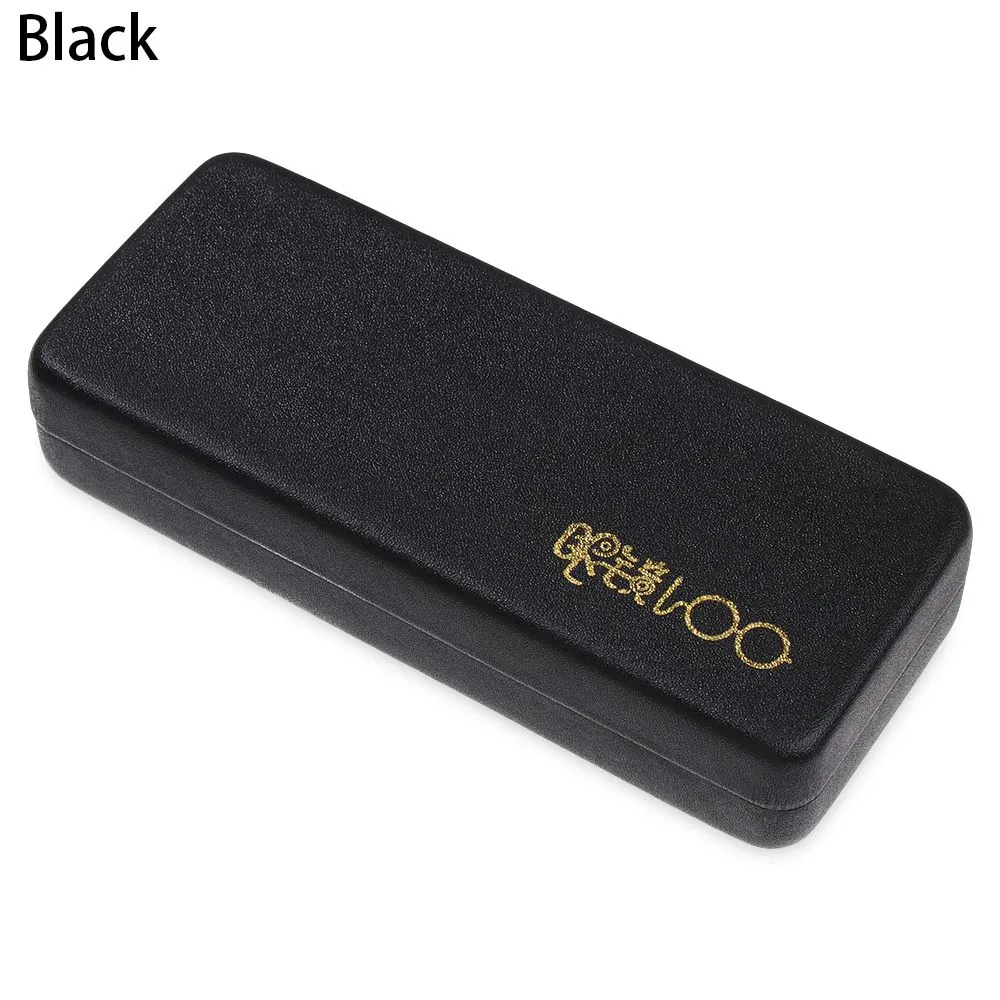
When I finally tried the brand, I felt immediate relief. The PU Leather Glasses Box was everything the other cases claimed to be. Large capacity. Waterproof. Actually portable. And it fit my glasses perfectly.
Here’s what stood out right away:
- The PU leather feels solid and doesn’t peel
- Waterproof material protects against spills and rain
- Large capacity fits reading glasses, sunglasses, and wider frames
- Simple, vintage design that works for both women and men
- Portable size that actually fits in a bag
The staff and service behind the brand impressed me too. As one reviewer put it, "They have some really great styles and the staff is super helpful in helping you choose a style." Another simply said the service was the best they’d experienced. That kind of support matters when you’re trying to find the right fit.
After learning how to measure bridge width for glasses properly, I knew my frames were on the wider side. the brand case’s large capacity meant I didn’t have to worry. My glasses fit without being squeezed or rattling around. You can view details about the full product specs to check if your frames will fit.
The waterproof feature alone makes this worth it. I carry my glasses in my bag every day. Coffee spills happen. Rain happens. With my old cases, that meant water damage. With the brand, it means nothing.
Verdict: Large capacity + waterproof + quality material = a case that actually protects your investment.
If Only I'd Known Sooner
I wish I’d found these earlier. Three cases. Over $80 wasted. Scratched lenses. Broken zippers. All because I skipped the basics.
Here’s what I know now:
- Always measure your bridge width before buying any glasses accessory
- Check the numbers printed on your glasses arm (they show lens width, bridge width, and arm length)
- A good case should list its interior dimensions
- Waterproof material is not optional—it’s necessary
- Large capacity cases save you from guessing about fit
I would have saved so much money and frustration if I’d done this from the start. the brand PU Leather Glasses Box in black is now my daily case. It’s simple. It works. It lasts.
Don’t make my mistakes. Learn how to measure bridge width for glasses first. Then pick a case that actually fits your frames. Your glasses cost too much to store in a case that damages them.
Final Action Step: Grab a ruler or check your glasses arm right now. Find your bridge width. Then choose a case with room to spare. Your future self will thank you.
댓글목록 0
등록된 댓글이 없습니다.