
The Top 5 Reasons People Win In The New Shipping Containers Industry
페이지 정보

본문
New Shipping Containers: Revolutionizing Global Trade
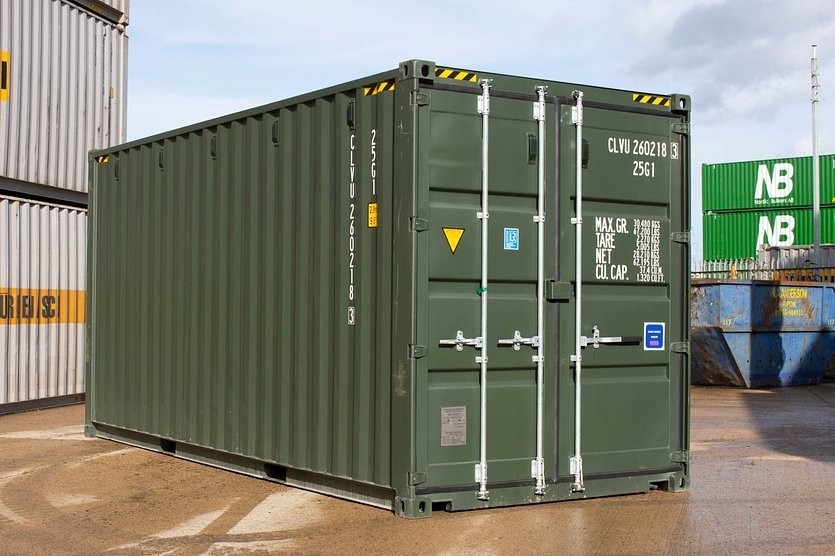
In a world progressively driven by omnichannel logistics and e-commerce, 20ft Shipping Container containers remain the backbone of worldwide trade. These robust, upraised steel boxes have actually changed the way items are moved throughout countries and oceans. Nevertheless, the market is developing, presenting new shipping containers that intend to improve performance, security, and environmental sustainability. This article digs into the most recent innovations in shipping containers, their benefits, applications, and what the future might hold for this crucial aspect of trade.
A Brief History of Shipping Containers
Shipping containers changed the transport of items when they were initially introduced in the 1950s. Before their adoption, cargo transport mishandled, typically needing multiple handling processes that might lead to harm and theft. The standardized container design permitted smooth loading, unloading, and stacking onto ships, trucks, and trains. Today, their significance continues to grow along with the rise of worldwide trade, e-commerce, and logistics networks.
Kinds Of New Shipping Containers
The contemporary shipping container can be found in different sizes and types, each developed for particular functions. A few of the new competitors in the market consist of:
| Container Type | Description | Normal Uses |
|---|---|---|
| Standard Dry Box | Most typical, used for basic cargo. | Clothing, electronic devices, equipment |
| Reefer Container | Temperature-controlled for perishable goods. | Food, pharmaceuticals |
| Open Top Container | Available from the top; suitable for big items. | Equipment, construction materials |
| Flat Rack Container | Created for heavy loads that require to be protected. | Vehicles, heavy equipment |
| Tank Container | Used for carrying liquids and gases. | Chemicals, food, and beverages |
| High Cube Container | Taller than standard containers, using more volume. | Bulk products, construction products |
| Ventilated Container | Equipped with ventilation for organic products. | Logs, fruits, veggies |
| Insulated Container | Maintains internal temperature, but not refrigerated. | Pharmaceuticals, sensitive products |
Developments in Shipping Container Design
Current developments in shipping containers focus on enhancing safety, reducing expenses, and improving ecological footprints. Some noteworthy developments include:
Smart Technology Integration: Many new shipping containers are equipped with GPS and IoT sensors, enabling real-time tracking of area and conditions. This innovation likewise assists in keeping track of temperature, humidity, and tampering.
Sustainable Materials: Advances in materials science have actually led to the development of containers made from environment-friendly products, reducing the environmental impact associated with Shipping Container Depot.
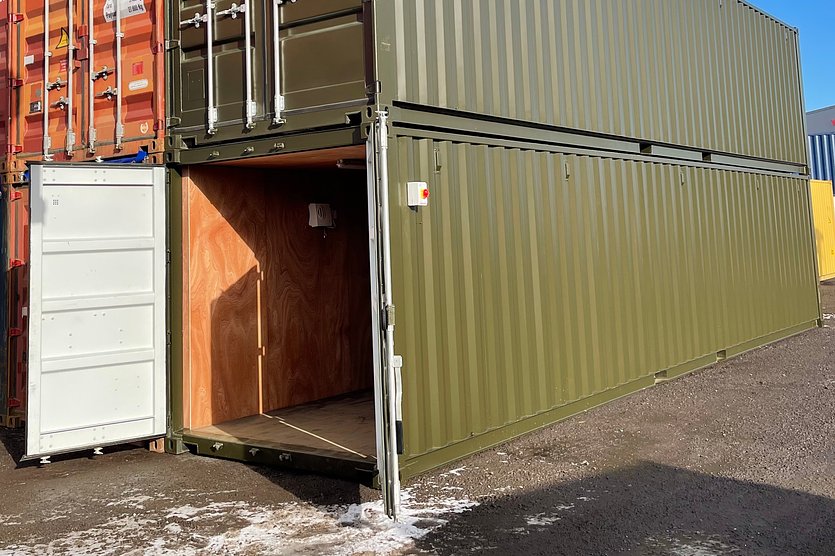
Modular Designs: These containers are developed for simple reconfiguration, enabling them to be adapted for numerous usages, from retail areas to emergency situation shelters.
Energy Efficiency: New designs include functions that lessen energy intake, such as photovoltaic panels set up on the roofings of refrigerated containers.
Improved Security Features: With increasing cargo theft, developments like biometric locks and advanced locking systems are becoming more typical.
Benefits of New Shipping Containers
The adoption of new Shipping Container Leasing container styles brings numerous advantages:
Cost Efficiency: Modern products and innovations reduce manufacturing expenses, making Shipping Container Design more budget-friendly.
Security: Enhanced styles and security features secure cargo from damage and theft.
Versatility: With modular and customizable styles, containers can serve several functions, making the most of energy.
Ecological Impact: Sustainable products and energy effectiveness contribute to lower carbon footprints.
Real-Time Tracking: Smart containers permit much better inventory management and loss prevention.
Applications of New Shipping Containers
New shipping containers are not only fit for transporting products but are also used innovatively across different sectors:
- Retail: Pop-up shops and mobile retail areas.
- Construction: Modular buildings, offices, and housing solutions.
- Farming: Refrigerated containers for disposable goods, lowering waste.
- Emergency Response: Field hospitals and shelters throughout catastrophes.
- Recycling: Containers repurposed for waste collection and processing.
Obstacles Facing the Shipping Container Industry
Despite these developments, the shipping container market faces obstacles, including:
- Regulatory Compliance: Adapting to differing international shipping policies can make complex logistics.
- Market Fluctuation: The volatile nature of worldwide trade can impact demand for shipping containers.
- Environmental Concerns: While developments exist, the ecological effect of Shipping Container Design remains significant.
- Technological Integration: Implementing and keeping advanced technology can be an obstacle for some operators.
Future Trends in Shipping Containers
As innovation continues to evolve, a number of patterns are most likely to shape the future of shipping containers:
Increased Use of Automation: Automated loading and dumping systems may become more typical, enhancing efficiency.
Blockchain Technology: This might change tracking and paperwork processes, boosting transparency in shipping.
Circular Economy: More business may embrace practices focused on reusing and recycling containers, contributing to sustainability.
3D Printing: The integration of 3D printing innovations might cause on-demand container manufacturing, reducing waste and costs.
Enhanced Collaboration: Partnerships between logistics providers and technology companies might drive further innovations.
FAQs About New Shipping Containers
Q: How do smart shipping containers work?A: Smart shipping containers are geared up with sensors and GPS devices that provide real-time information on area, temperature, and humidity. This details can be accessed remotely by means of the internet.
Q: Are new shipping containers more costly than conventional ones?A: While the initial investment may be greater for smart and specialized containers, the long-term advantages, such as decreased functional expenses and increased performance, can exceed the costs.
Q: Can shipping containers be recycled?A: Yes, shipping containers can be repurposed for various applications, consisting of retail spaces, homes, and offices. Their sturdiness makes them appropriate for numerous uses beyond transportation.
Q: What are the ecological benefits of new shipping containers?A: New shipping containers frequently utilize sustainable materials and energy-efficient styles, lowering their ecological impact. Furthermore, they make it possible for better stock management, minimizing waste throughout transport.
Q: Do new shipping containers comply with worldwide shipping guidelines?A: Yes, the majority of new shipping containers are created to satisfy global security and resilience standards. However, companies must stay notified about varying policies that might use in various countries.
The Shipping Container Housing container industry is poised for a transformative future with the development of new styles and technologies. These modifications not just improve the efficiency of worldwide trade however also promote environmental sustainability and responsiveness to market needs. As the landscape of logistics continues to progress, stakeholders need to stay agile and informed to utilize the chances that new shipping containers present. By staying ahead of trends and accepting development, companies can browse the intricacies of global trade and contribute favorably to the industry's future.
- 이전글시알리스 복용 중 배뇨 통증이나 혈뇨가 있을 때 핵심 정리 26.07.12
- 다음글비아그라 구매 전 정품 여부를 확인하는 가장 기본적인 방법 26.07.12
댓글목록
등록된 댓글이 없습니다.