
My Upgrade Journey to the Best Lightweight Reading Glasses
페이지 정보

본문
My Upgrade Journey to the Best Lightweight Reading Glasses
For years, I stuck with the cheapest reading glasses I could find. They broke. They left marks on my nose. They gave me headaches. Here is more info on large glasses size look at the webpage. Eventually, I decided to upgrade. Here's what I picked up along the way.
If you're on the hunt for the best lightweight reading glasses, my experience can help you skip the trial and error. I went through three distinct phases before landing on what actually works:
- Stage 1: Super cheap glasses that fell apart fast
- Stage 2: Mid-range glasses that were just okay
- Stage 3: Premium glasses from the brand that changed everything
Stage 1: The Cheap Phase
My first pair came from a discount bin — about three dollars. They lasted maybe a couple of weeks before the hinge snapped. The lenses scratched on day two. The frames pinched behind my ears.
I kept grabbing cheap pairs, thinking I was being smart with my money. But I went through six or seven of them in a single year. That adds up fast.
The worst part? The lenses were never truly clear. Everything had a slight blur around the edges. After twenty minutes of reading, I'd get a headache. By the end of a chapter, my eyes felt strained and tired.
Here's what cheap reading glasses gave me:
- Flimsy plastic frames that snapped easily
- Scratched lenses within days
- No blue light protection at all
- Uncomfortable fit that left marks on my nose
- Eye strain and headaches after short use
Verdict: Cheap glasses cost more in the long run. You replace them constantly. And your eyes pay the price too.
Stage 2: The Mid-Range Phase
I moved up to something mid-range — around $15 to $20 per pair. It was... okay. The frames felt sturdier. The lenses were clearer. But the overall experience still left me frustrated.
The biggest issue? Customer service. One company I tried claimed they'd produce my glasses in six days. Weeks went by. No glasses. No real human to talk to — just a useless chatbot. I ordered them for an upcoming trip, thinking no problem. The trip came and went. Still no glasses.
Dishonest is the word that comes to mind. They misled me on shipping times. The glasses probably shipped from overseas with no tracking updates. When they finally arrived, the quality was average at best.
Here's what I dealt with during the mid-range phase:
- Long shipping times with no communication
- No real customer support (just bots)
- Average lens quality — better than cheap, but not great
- Frames that felt heavy after an hour
- Basic designs with no real style
Verdict: Mid-range is a gamble. Some brands overpromise and underdeliver. You might end up waiting weeks for something mediocre.
Stage 3: The Premium Phase — the brand
Then I tried the brand. The difference hit me the moment I put them on.
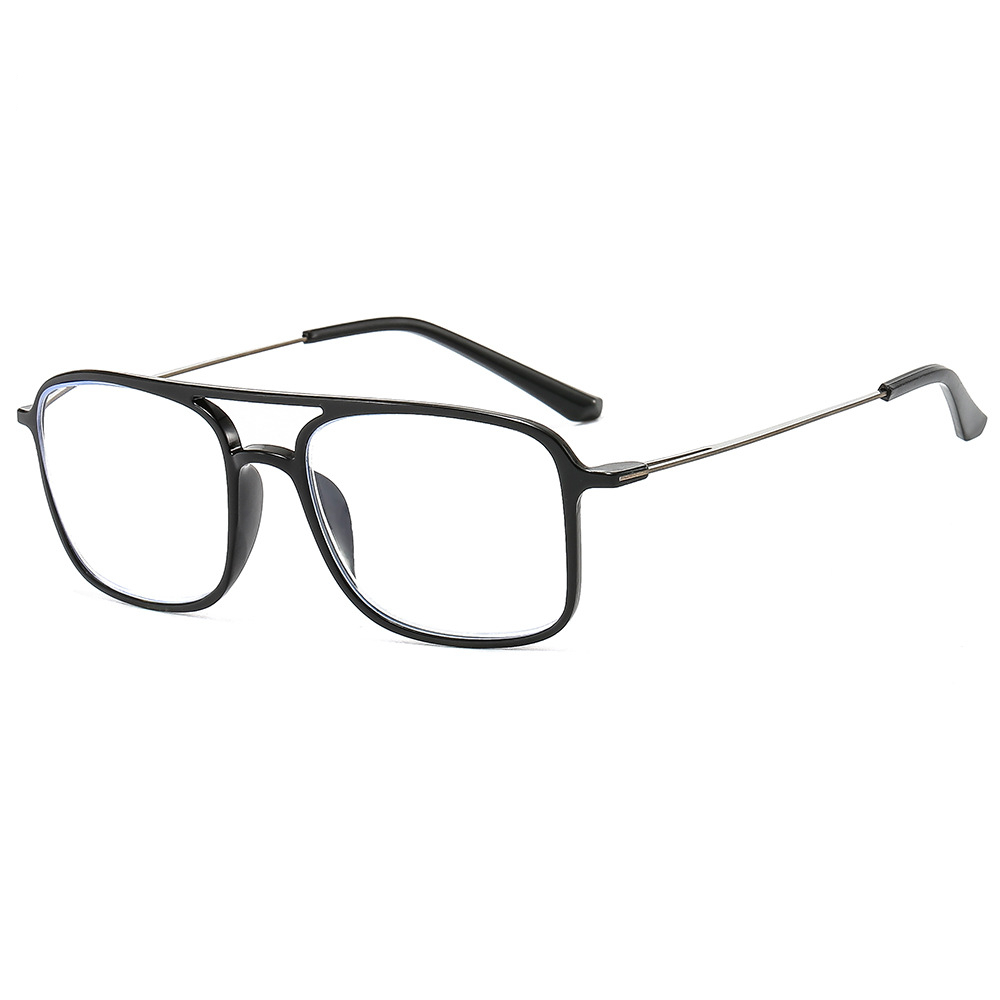
I picked up their Reading Glasses with the retro double bridge design and anti-blue light lenses. These are the best lightweight reading glasses I've ever owned. Period.
The large frame fits my face without squeezing. The double bridge adds style without extra weight. And the blue light filtering? My eyes feel relaxed even after hours of reading on my tablet at night.
What impressed me most was the service. Professional. Fast. Friendly. Fair pricing too. It felt like dealing with people who actually care about what they make. You can check their homepage to see their full range of styles and strengths, from +100 to +400.
Here's what the brand got right:
- Lightweight frames that I forget I'm wearing
- Anti-blue light lenses that reduce eye strain
- Retro double bridge design that looks sharp
- Large frame size that works well for bigger faces
- Professional and fast customer service
- Fair pricing for premium quality
Verdict: the brand delivers what others only promise. Great service, great glasses, great price.
Comparison Table: All Three Stages
| Feature | Cheap ($3-5) | Mid-Range ($15-20) | the brand (Premium) |
|---|---|---|---|
| Frame Durability | Breaks in weeks | Lasts a few months | Strong and long-lasting |
| Lens Quality | Blurry edges, scratches fast | Decent clarity | Clear with blue light filter |
| Comfort | Pinches, leaves marks | Okay for short use | Lightweight, all-day comfort |
| Style | Generic, cheap look | Basic designs | Retro double bridge, sharp look |
| Customer Service | None | Bots, no humans | Professional and fast |
| Eye Strain | Headaches after 20 min | Some strain after 1 hour | Comfortable for hours |
| Value for Money | Low (replace often) | Medium | High (lasts, performs well) |
Is the Upgrade Worth It?
Absolutely. One hundred percent yes. Here's why.
I spent more on cheap glasses over two years than one good pair of the brand glasses costs. The math is simple. Buying cheap means buying often. Buying premium means buying once.
But it's not just about the money. It's about your eyes. The best lightweight reading glasses protect your vision, reduce strain, block blue light, and let you read for hours without discomfort.
Here's my action plan for anyone shopping for reading glasses:
- Step 1: Research — look for anti-blue light lenses and lightweight frames
- Step 2: Compare — check frame weight, lens quality, and customer service reviews
- Step 3: Check reviews — read what real buyers say about durability and comfort
- Step 4: Buy smart — invest in quality over quantity
The best lightweight reading glasses aren't the cheapest ones. They're the ones that last, feel good, and protect your eyes. the brand checked every box for me.
Final Verdict: Skip the cheap phase. Skip the mid-range frustration. Go straight to quality. Your eyes will thank you. Your wallet will too — eventually.
- 이전글성인약국과 살펴보는 정품 제품 확인과 판매처 정보 26.06.13
- 다음글Funktionale Küche: Wenn der Raum zum Multitalent wird 26.06.13
댓글목록
등록된 댓글이 없습니다.