
You'll Never Guess This Lock Troubleshooting's Secrets
페이지 정보

본문
Lock Troubleshooting: Your Comprehensive Guide
Locks are an important part of our lives, supplying security and peace of mind. Nevertheless, they can periodically malfunction, leaving you locked out or unable to secure your personal belongings. Comprehending common lock problems and how to repair them can conserve you time, money, and disappointment. This article explores the most prevalent lock problems, their causes, and effective services.
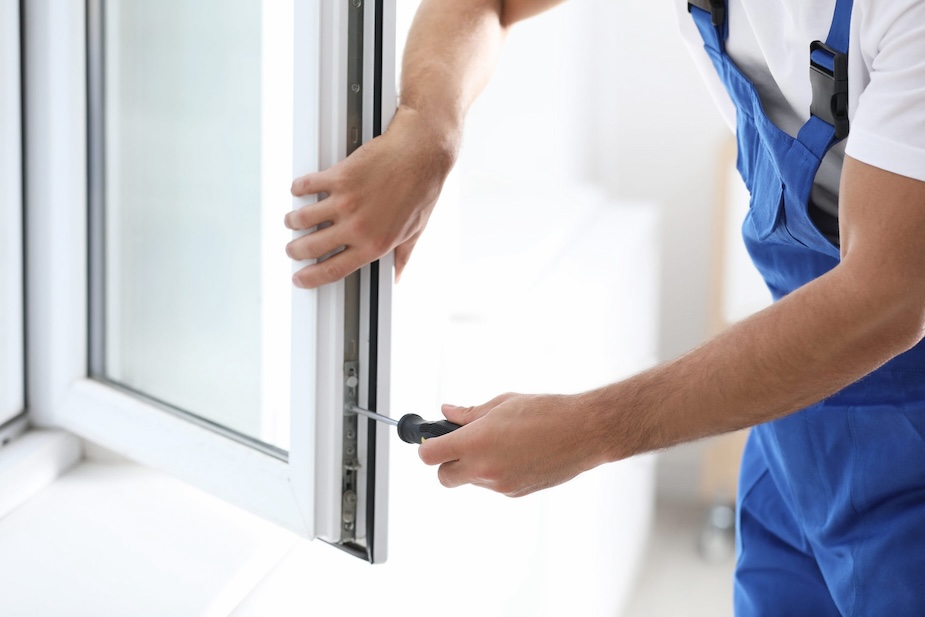
Common Lock Problems
In the table listed below, we outline a few of the most common lock issues and their prospective causes:
| Lock Problem | Description | Potential Causes |
|---|---|---|
| Key Won't Turn | The key can not be kipped down the lock | Dirt, particles, or rust in the lock mechanism |
| Secret Gets Stuck | Key becomes lodged in the office lock repair | Damage to the key or lock, misalignment |
| Lock is Jammed | Lock system does not engage effectively | Deterioration, internal damage, or foreign objects |
| Deadbolt Won't Extend or Retract | Deadbolt fails to move in or out | Misalignment, damaged spring, or dirt buildup |
| Electronic Lock Malfunction | Digital lock does not respond | Low battery, misconfigured settings, or software application problem |
| Cylinder is Loose | door lock repair cylinder moves separately of the lock | Loose screws, wear and tear |
Key Won't Turn
Causes:
- Dirt and Debris: Over time, dirt and debris can accumulate in the keyway, preventing the key from turning efficiently.
- Rust: A rusty lock can cause the internal components to take, making it tough to turn the key.
Solutions:
- Cleaning: Use a can of compressed air to burn out dust or particles.
- Lubrication: Apply a lock lube to assist the internal components move efficiently. Avoid utilizing oil-based products as they can draw in dirt.
Key Gets Stuck
Causes:
- Damaged Key: A worn or bent secret can get caught in the lock installation.
- Misalignment: If the lock is misaligned, the key may struggle to fit appropriately.
Solutions:
- Key Replacement: If the key is harmed, have a brand-new one made.
- Straightening the Lock: Check the setup of the lock and adjust it as essential to ensure proper positioning.
Lock is Jammed
Causes:
- Corrosion: emergency lock repair systems might rust with time, triggering them to jam.
- Foreign Objects: Objects like coins or little tools can get lodged in the lock.
Solutions:
- Inspect for Obstructions: Carefully check the lock for foreign things and eliminate them.
- Usage Graphite Powder: For locks that are hard to operate, graphite powder can help reduce friction.
Deadbolt Won't Extend or Retract
Causes:
- Misalignment: The deadbolt might not line up with the strike plate, preventing it from engaging.
- Broken Spring: A damaged internal spring can prevent the deadbolt from operating effectively.
Solutions:
- Adjusting Alignment: Loosen and rearrange the strike plate to line up with the deadbolt.
- Replacing the Deadbolt: If the spring is broken, the deadbolt might need to be replaced.
Electronic Lock Malfunction
Causes:
- Low Battery: Many electronic locks count on batteries, which can deplete with time.
- Software application Issues: Firmware glitches or incorrect settings can also cause breakdowns.
Solutions:
- Battery Replacement: Change the batteries regularly to prevent lockouts.
- Resetting the Lock: Refer to the manufacturer's directions for resetting the lock's software application settings.
Cylinder is Loose
Causes:
- Loose Screws: If the screws holding the cylinder in place end up being loose, it can result in extreme movement.
- Use and Tear: Over time, wear can trigger the cylinder to loosen.
Solutions:
- Tightening Screws: Use a screwdriver to tighten any loose screws on the lock or cylinder.
- Changing the Cylinder: If the cylinder is harmed, think about changing it to ensure security and performance.
Regularly Asked Questions (FAQs)
Q1: Why does my lock keep jamming?
A1: Locks can jam due to dirt accumulation, rust, or foreign things getting lodged in the mechanism. Regular maintenance and cleaning can assist avoid this problem.
Q2: What type of lubricant should I utilize on my locks?
A2: It is best to utilize a specialized lock lube or graphite powder. Avoid oil-based lubricants, as they can attract dirt and grime.
Q3: How do I know if my electronic lock batteries require replacing?
A3: Many electronic locks will inform you with flashing lights or a low battery caution. If you notice your window lock technician is unresponsive, it's time to replace the batteries.
Q4: What should I do if my key breaks off in the lock?
A4: Try utilizing needle-nose pliers to carefully pull the remaining piece of the secret out. If not successful, get in touch with a locksmith for help.
Q5: Can I fix a lock myself, or should I call a professional?
A5: Many small issues can be fixed with basic tools and products, but if you're not sure or face a substantial malfunction, calling a professional locksmith is a good idea.
lock troubleshooting (https://trunkcalf7.werite.net) can be complicated, but comprehending common issues can empower individuals to deal with a number of these issues themselves. Routine upkeep, such as cleaning and lubrication, can avoid most lock-related problems. However, constantly understand when to seek help from a professional locksmith, especially for complicated issues. With this guide in hand, you'll be much better equipped to guarantee the security and functionality of your locks.
- 이전글나이가 들수록 흔들리는 남성 자신감, 성인약국 — 활력 관리법, 조기 관리의 중요성 26.04.23
- 다음글Live Resin: A Comprehensive Guide: What is Live Resin? 26.04.23
댓글목록
등록된 댓글이 없습니다.